
Creating a home office that feels both cozy and productive can make a significant difference in your work-from-home experience. Whether you’re freelancing, managing remote meetings, or just need a quiet spot to focus, designing a space that inspires and supports your workflow is essential. Here are some useful tips to help you set up a home office that balances comfort with functionality.
Choose the Right Location
Finding the perfect spot in your home is the first step. Ideally, select a quiet area with minimal distractions, plenty of natural light, and enough space for your necessary equipment. If space is limited, a corner in your living room, a section of a spare bedroom, or even a nook under the stairs can work well.
Consider Lighting
Proper lighting is key to maintaining focus and reducing eye strain. Aim for a spot near windows to maximize natural light. Supplement with a quality desk lamp that offers adjustable brightness. Avoid harsh overhead lights that can create glare and make the environment feel less inviting.
Invest in Comfortable and Functional Furniture
Your furniture choices will directly impact your comfort and productivity.
– Desk: Choose a desk that suits your work style and space needs. It doesn’t have to be large, but it should have enough room for your computer, notebook, and any other essentials.
– Chair: Invest in an ergonomic chair that provides good back support. Sitting comfortably can help prevent pain and fatigue.
– Storage: Use shelves, drawers, or filing cabinets to keep your desk clutter-free and organized.
Personalize Your Space
Adding personal touches can make your home office feel welcoming and uniquely yours. Consider:
– Photos or artwork that inspire you.
– A plant or two to bring some greenery and freshness.
– Decorative items that reflect your personality but don’t crowd your workspace.
Personalization helps create a positive atmosphere, encouraging you to spend more time in your office space.
Organize for Efficiency
A cluttered desk can hinder focus and productivity. Keep your space tidy by:
– Using organizers for pens, papers, and cables.
– Keeping only daily essentials on the desk, storing other items in nearby drawers.
– Setting up a cable management system to avoid tangled wires.
Regularly declutter your space to maintain a clean and efficient environment.
Create Zones for Different Activities
If your space allows, consider setting up zones to separate different tasks:
– A primary workstation for computer work.
– An area for reading or brainstorming with comfortable seating.
– A spot for storage and filing away documents.
Having distinct zones can help you transition smoothly between different types of work and keep your day structured.
Use Calming Colors and Textures
Colors can influence mood and productivity. Choose soothing shades like soft blues, greens, or neutrals to create a calm and focused atmosphere. Incorporate cozy textures with rugs, cushions, or curtains to add warmth and reduce noise.
Add Technology Wisely
Technology can enhance productivity, but too many devices or cables can create clutter. Choose essential gadgets that improve your workflow such as:
– A good quality monitor and keyboard.
– Noise-canceling headphones.
– A wireless printer or scanner if needed.
Ensure your equipment is set up ergonomically to avoid strain.
Maintain a Routine and Break Space
Part of having a productive home office is establishing boundaries between work and relaxation.
– Set regular working hours to maintain consistency.
– Create a small break area within or near your office space with a comfy chair or a spot for a quick stretch.
– Keep water and snacks nearby to stay refreshed without having to leave your workspace frequently.
Incorporate Inspirational Elements
Staying motivated can be easier when surrounded by inspiration. Consider adding a whiteboard or corkboard to jot down ideas, goals, or daily to-dos. You might also hang motivational quotes or keep a journal on your desk.
Be Mindful of Noise
If noise is a distraction, try these solutions:
– Use rugs and curtains that absorb sound.
– Add a white noise machine or calming music to mask distracting sounds.
– Consider noise-reducing headphones.
A quiet environment helps maintain concentration and productivity.
—
By thoughtfully combining comfort, organization, and personalization, you can create a cozy and productive home office that supports your best work. Remember, your workspace should evolve to suit your needs, so be open to making adjustments over time. With the right setup, working from home can become more enjoyable and efficient.
Related Posts
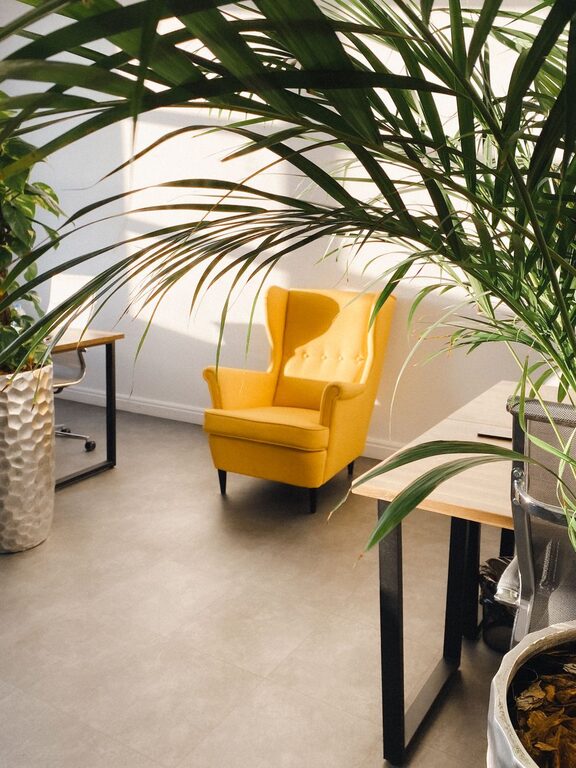
Tips for Creating a Cozy and Inviting Home Office Space
Creating a cozy and inviting home office space is essential…
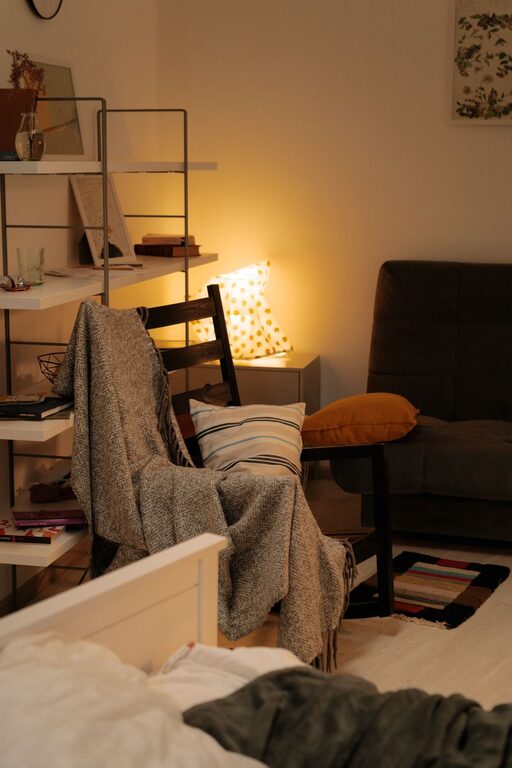
Tips for Creating a Cozy and Inviting Reading Nook at Home
Creating a cozy and inviting reading nook at home is…
Tips for Creating a Productive Home Office Environment
Creating a productive home office environment is essential for anyone…